What these are
Not our writing. Our documenting.
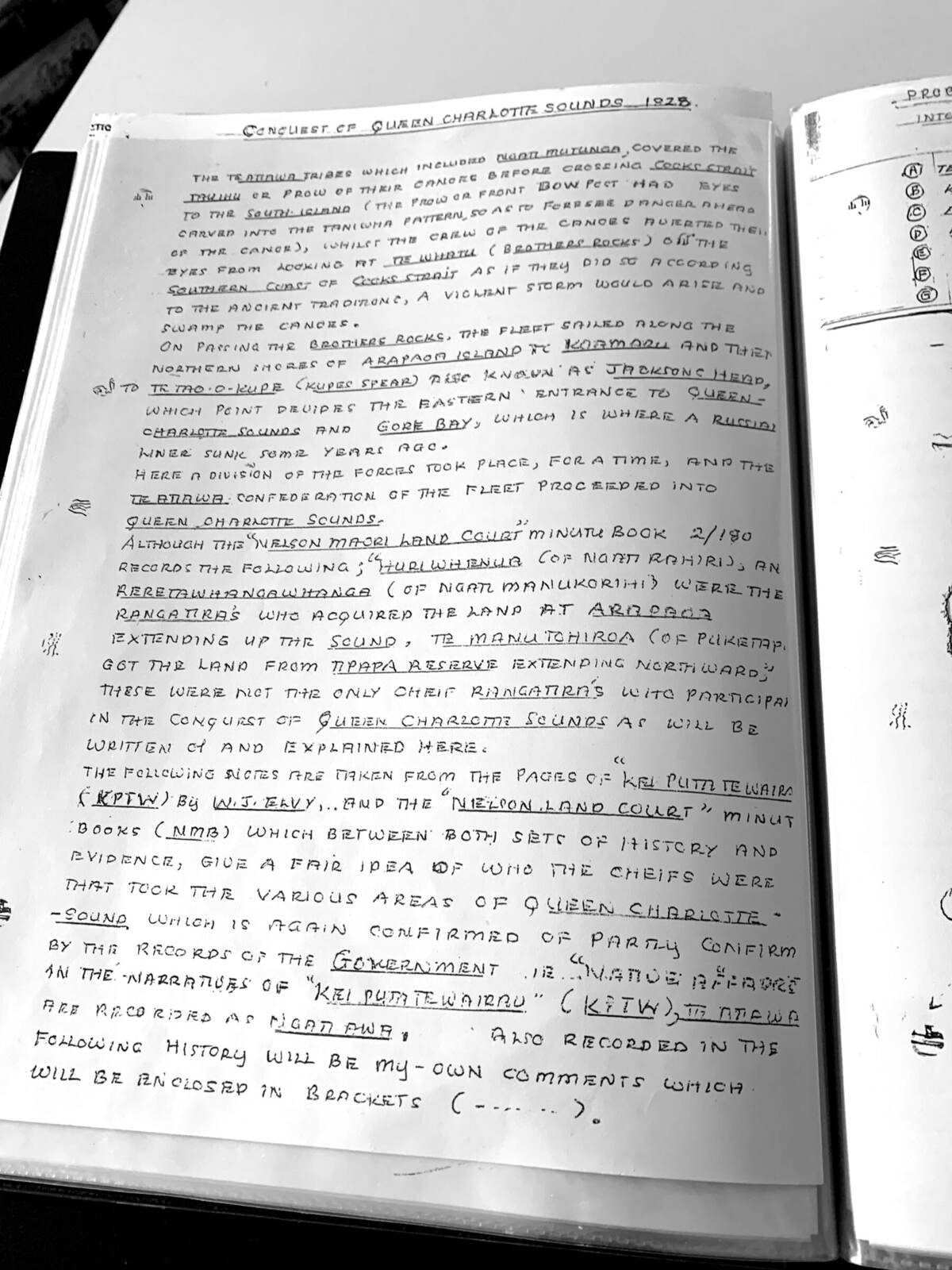
These are not stories anybody in this family made up. They are already there, in a manuscript, in land court minute books, in newspapers and in what the old people carried. What we are doing is reading them properly and setting them down so they can be found: the lineage of this family, and the whakapapa of the people who come from this part of the country.
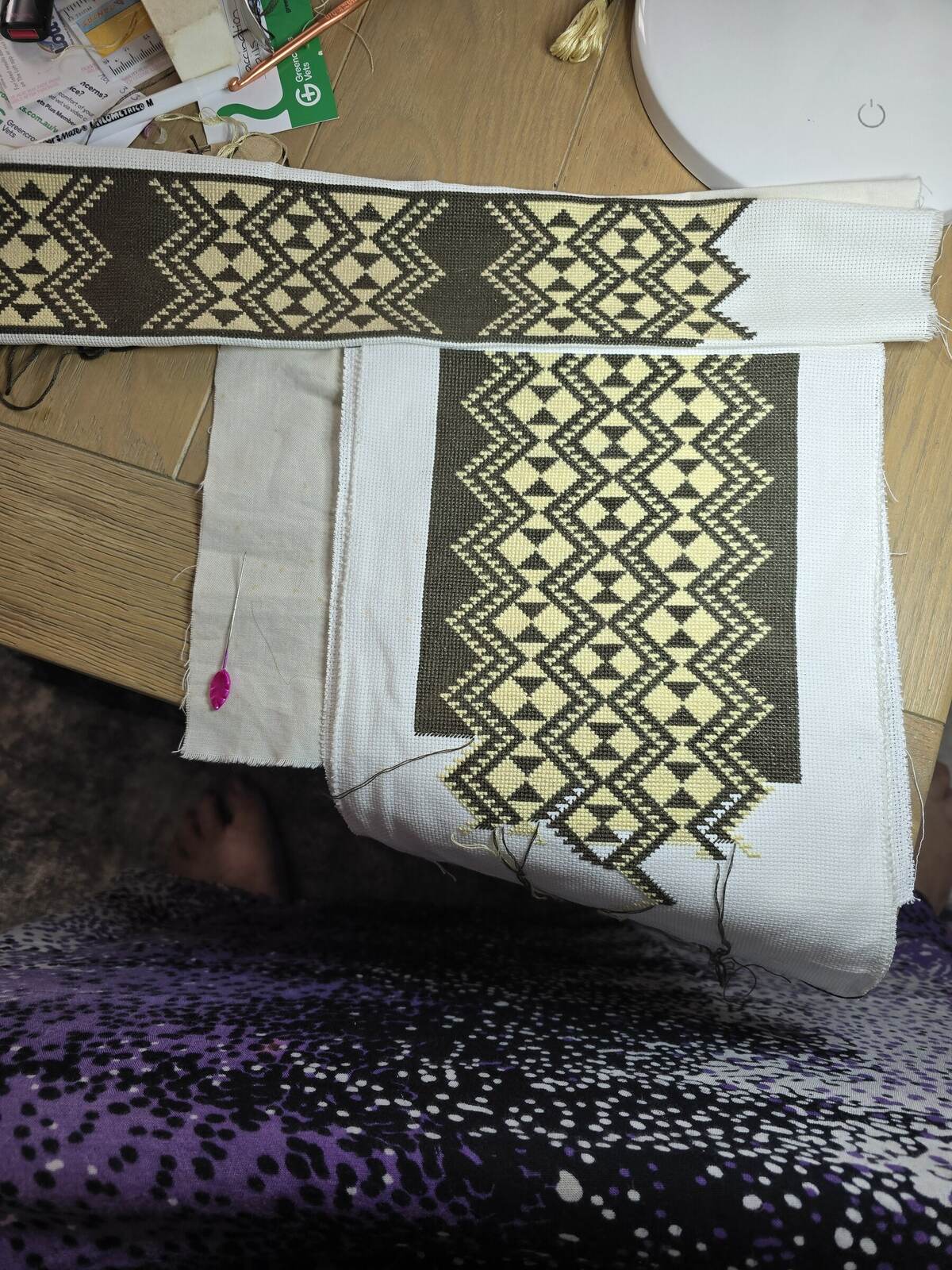
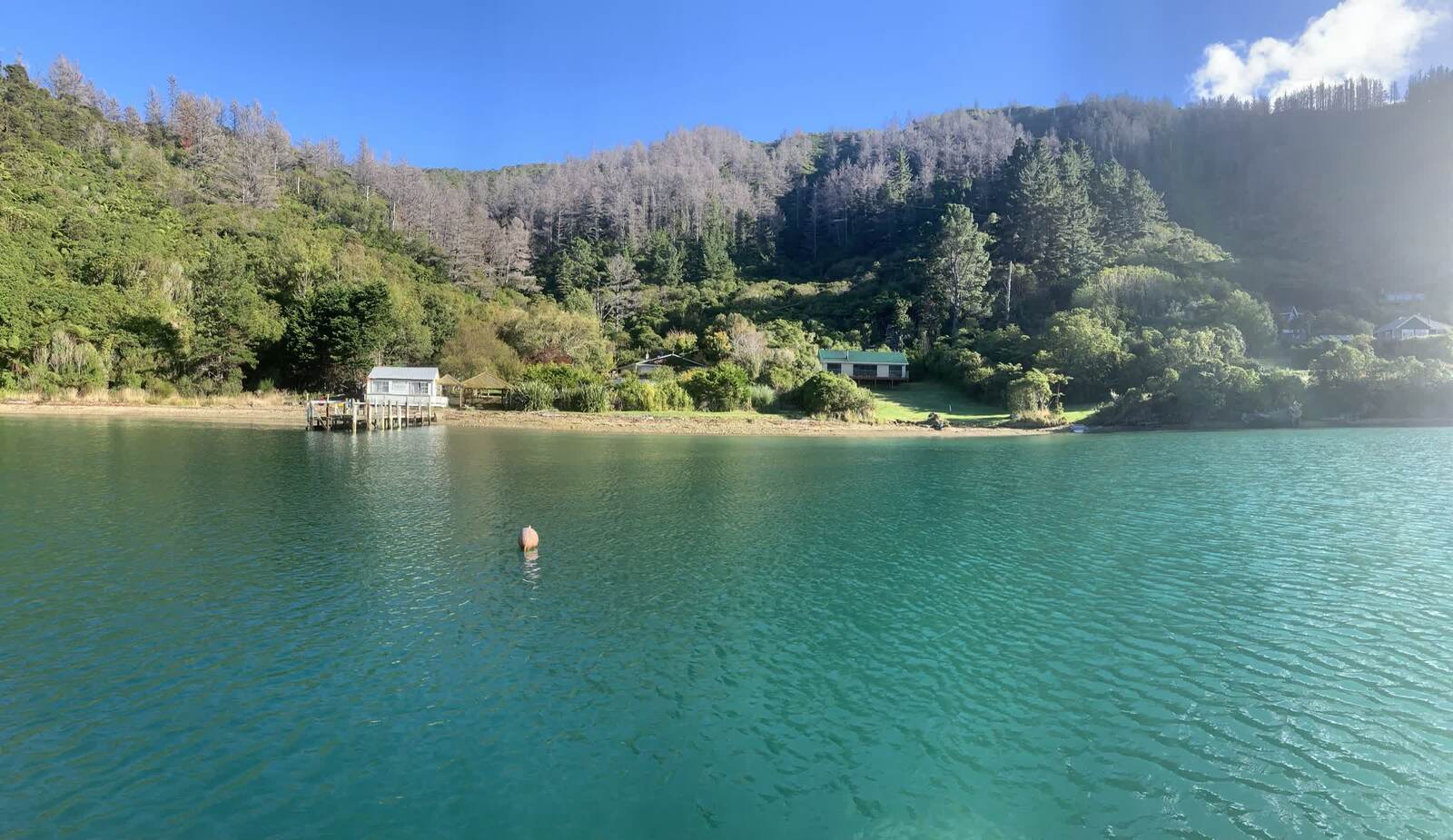
Karen wrote sixty feet of her family’s whakapapa out by hand at a wānanga at Waikawa. Her sons have been working through it with her and putting the stories back out one at a time, into the rooms where the people they name actually lived. Waitohi. Picton. Te Awaiti. The Sounds.
Nearly every one below has already been put out, and those are reproduced here word for word as they went. The line under each title says where it went and when, or says plainly if this page is its first home. Where something could not be verified it is not in the story, and where two records disagree the story says so and leaves it open.
20 stories
From the manuscript, and the records behind it
 Part one · Anthony / Āhuru · Aotearoa New Zealand History and WAITOHI STAR, 13 September 2026The Telegram at DunedinJames Norton saw his sons off for Campbell Island. An urgent telegram was waiting when they reached Dunedin.Begin the Norton sequence
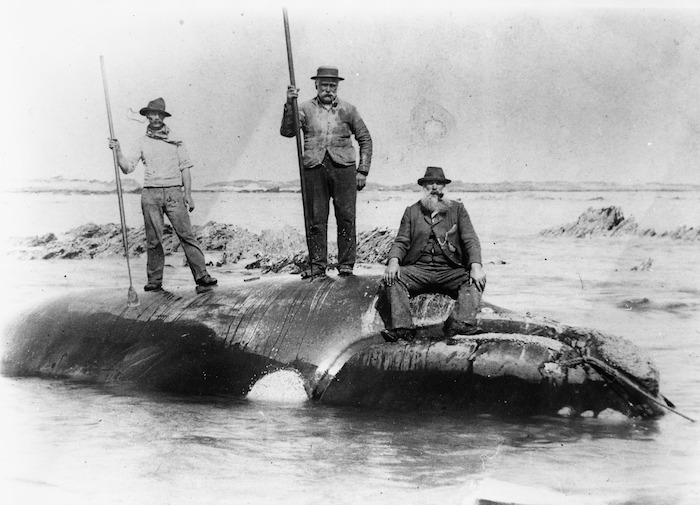 Part two · Anthony / Āhuru · Aotearoa New Zealand History and WAITOHI STAR, 13 September 2026Three Generations at KekerenguThomas and Harry on the blades. Henry picking fleece. Three generations working side by side in December 1908.Continue the sequence
 Part three · Anthony / Āhuru · Aotearoa New Zealand History and WAITOHI STAR, 13 September 2026The Name Beside HisAn 1853 baptism transcription carries one sponsor’s name, and an early connection between the Norton and Keenan families.Continue the sequence
 Part four · Anthony / Āhuru · Aotearoa New Zealand History and WAITOHI STAR, 7 October 2026Two Words and Sixteen PagesIn 1880 a death certificate gave Hikimapu two words. In 1899 a court gave her sixteen pages.Complete the sequence
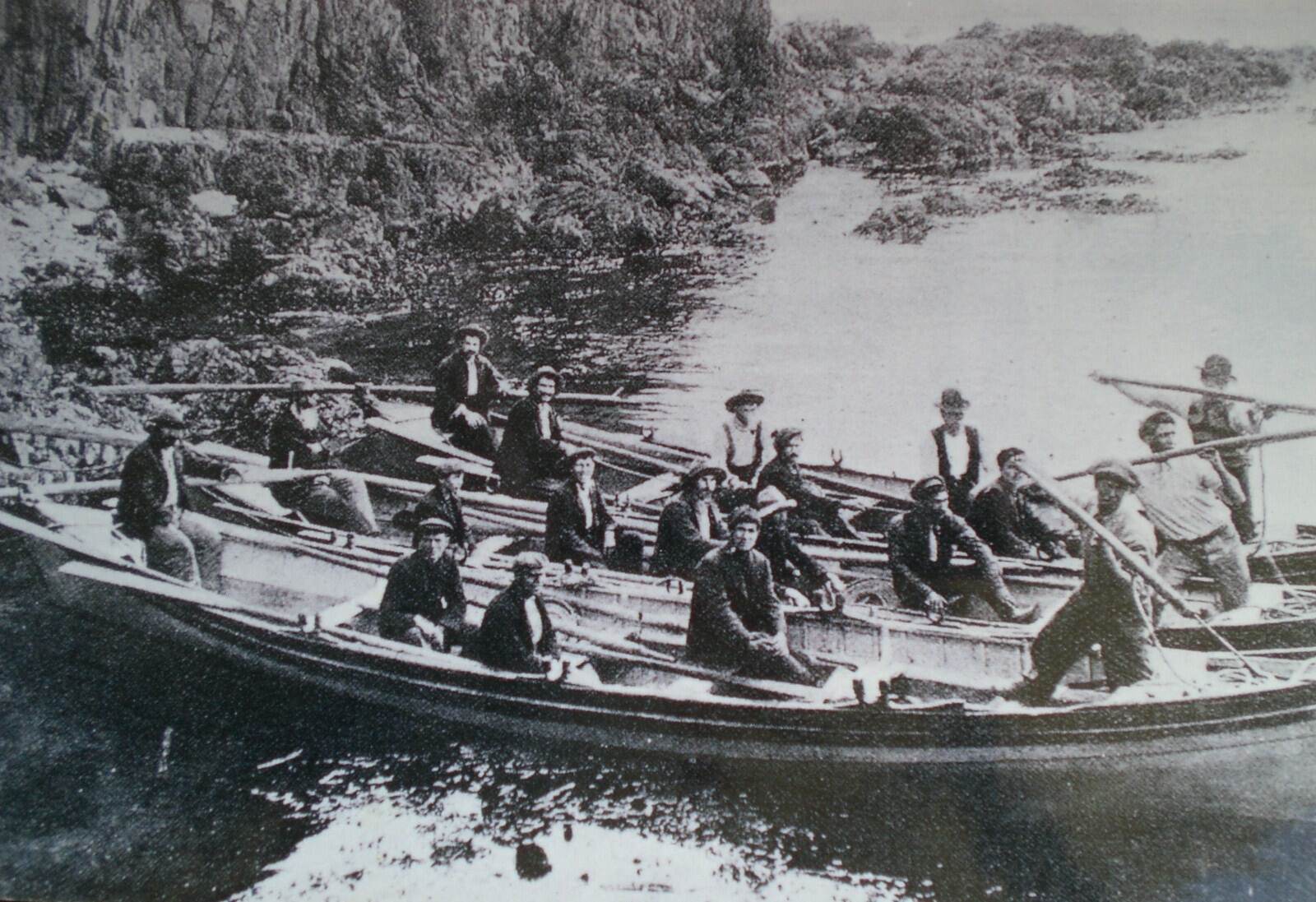
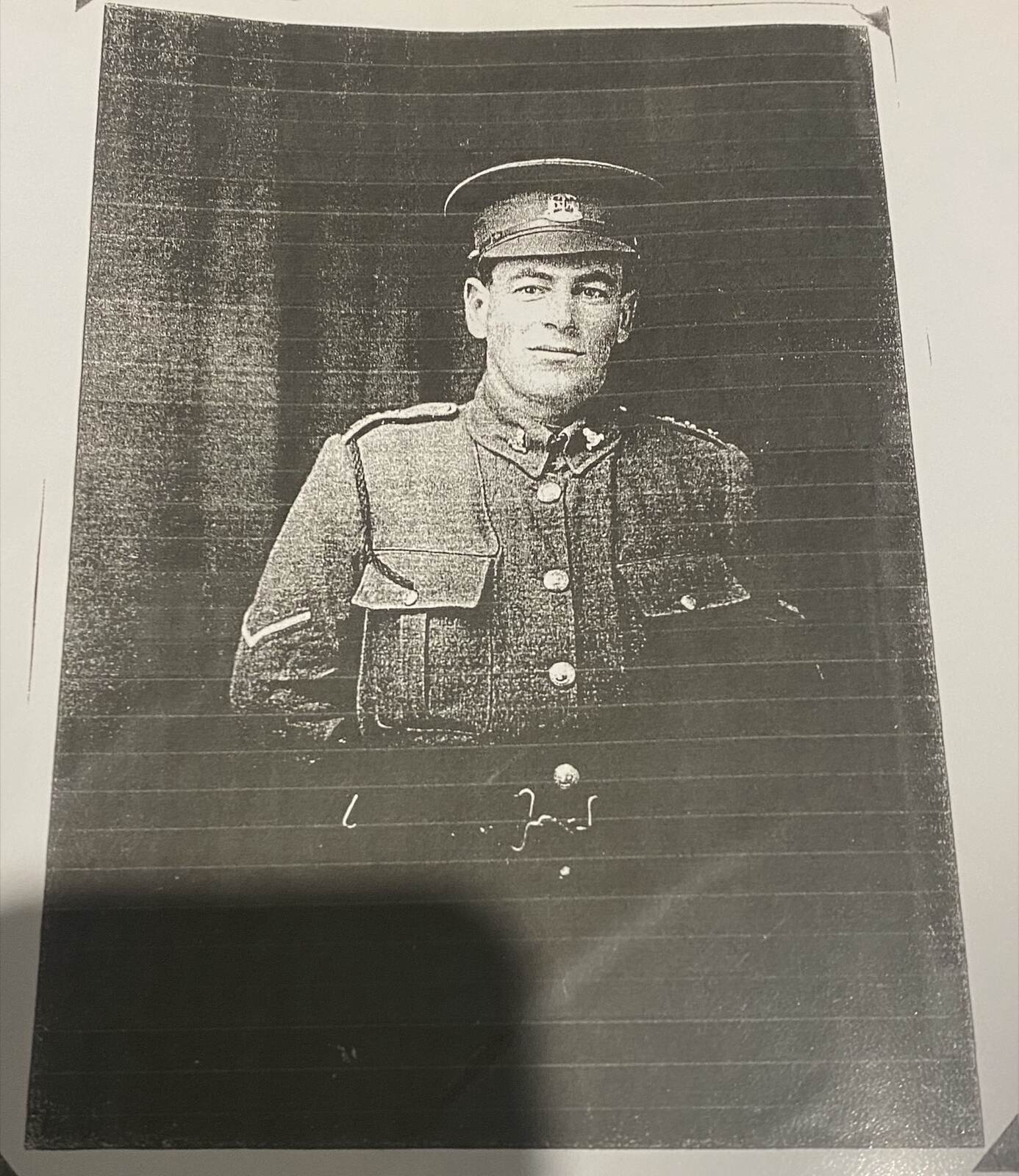 Steven / Tēpane · Aotearoa New Zealand History, 25 August 2026Joe TimmsHis great grandfather, in Joe’s own recorded words. Whaling, Gallipoli, and a man who counted himself lucky in a hospital bed.Read it
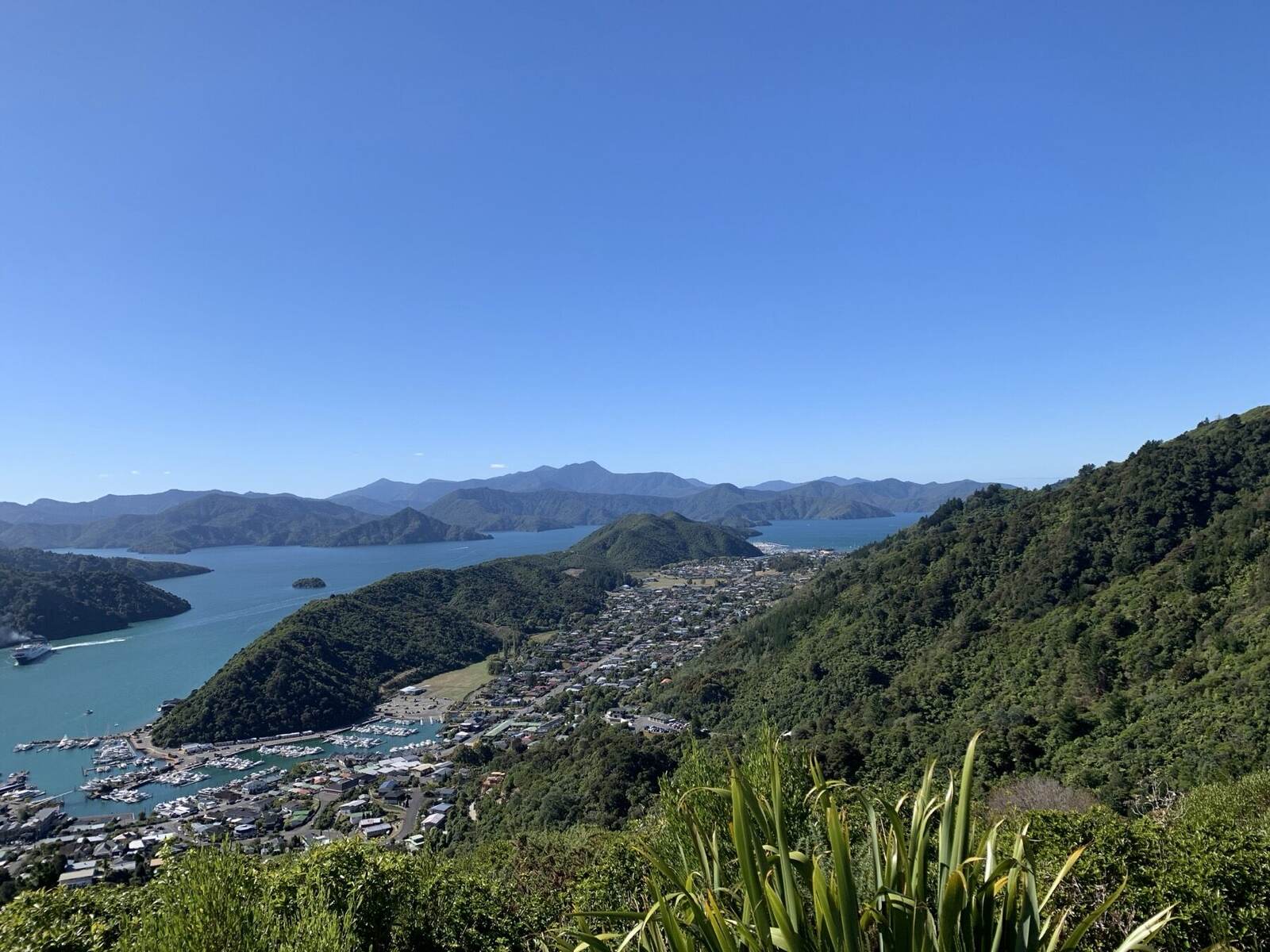 Anthony / Āhuru · WAITOHI STAR 27 August, Aotearoa New Zealand HistoryThe Throat And The BellyTwo men name a valley and a hill after their own child and their own body. The words are still on the road signs today.Read it
Anthony / Āhuru · WAITOHI STAR, 28 August 2026The Sacred FireTakune Hikimapu. Named for the rite that calls up flame.Read it
Anthony / Āhuru · WAITOHI STAR 27 August, Aotearoa New Zealand HistoryThe Throat And The BellyTwo men name a valley and a hill after their own child and their own body. The words are still on the road signs today.Read it
Anthony / Āhuru · WAITOHI STAR, 28 August 2026The Sacred FireTakune Hikimapu. Named for the rite that calls up flame.Read it
 Anthony / Āhuru · Aotearoa New Zealand History, 28 August 2026The Man Who Would Not LieThe compiler, and the seven separate times he refused to make his own family’s history better than it was.Read it
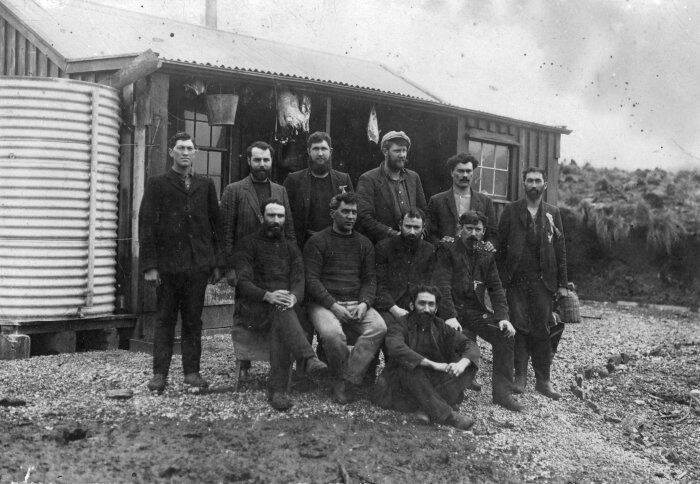 Anthony / Āhuru · WAITOHI STAR, 29 August 2026One Of The EightWilliam Keenan holds a pā with three cannon in 1832, whales at Te Awaiti for forty years, and at the end the register records his wife as two words.Read it
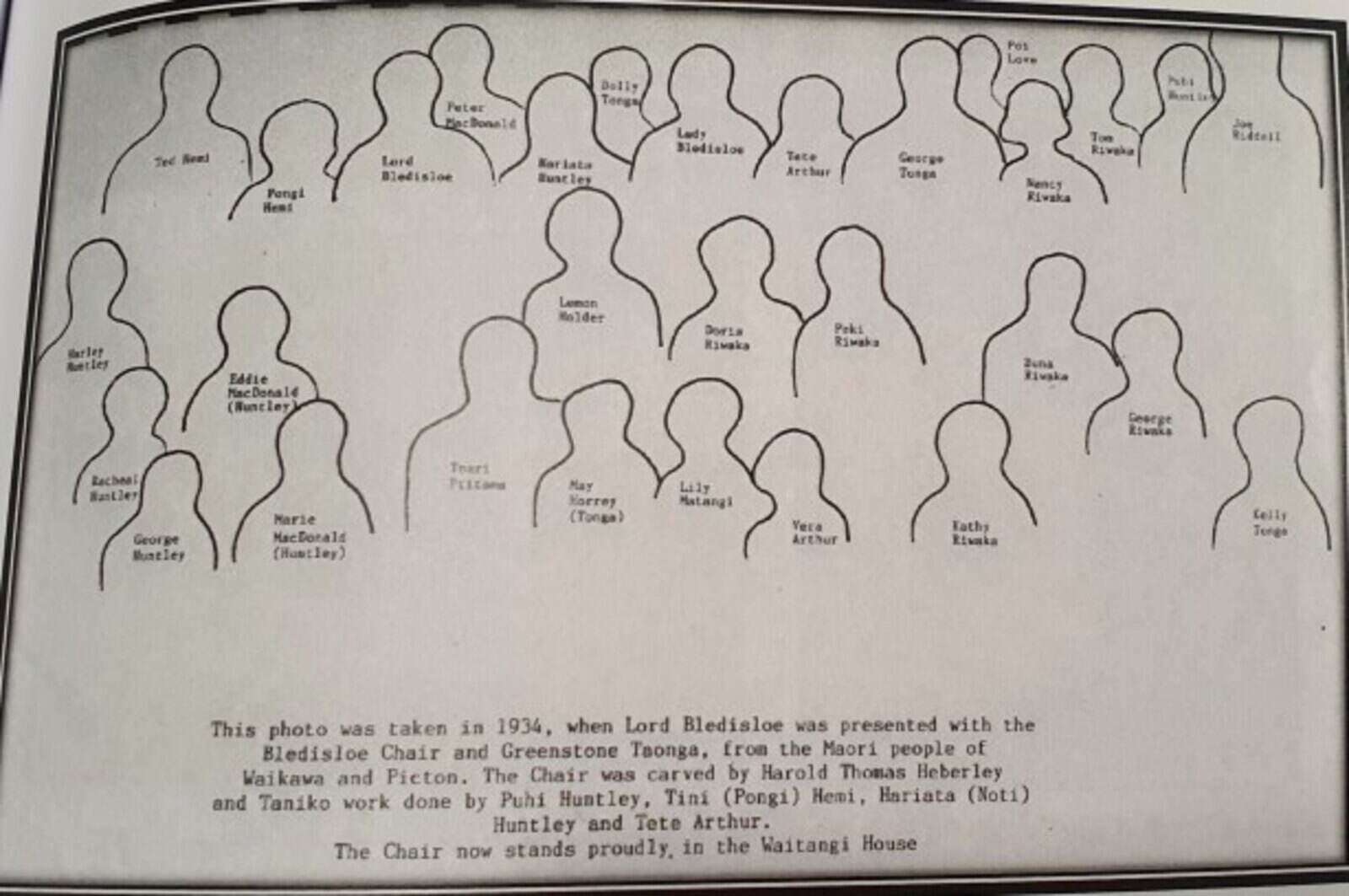
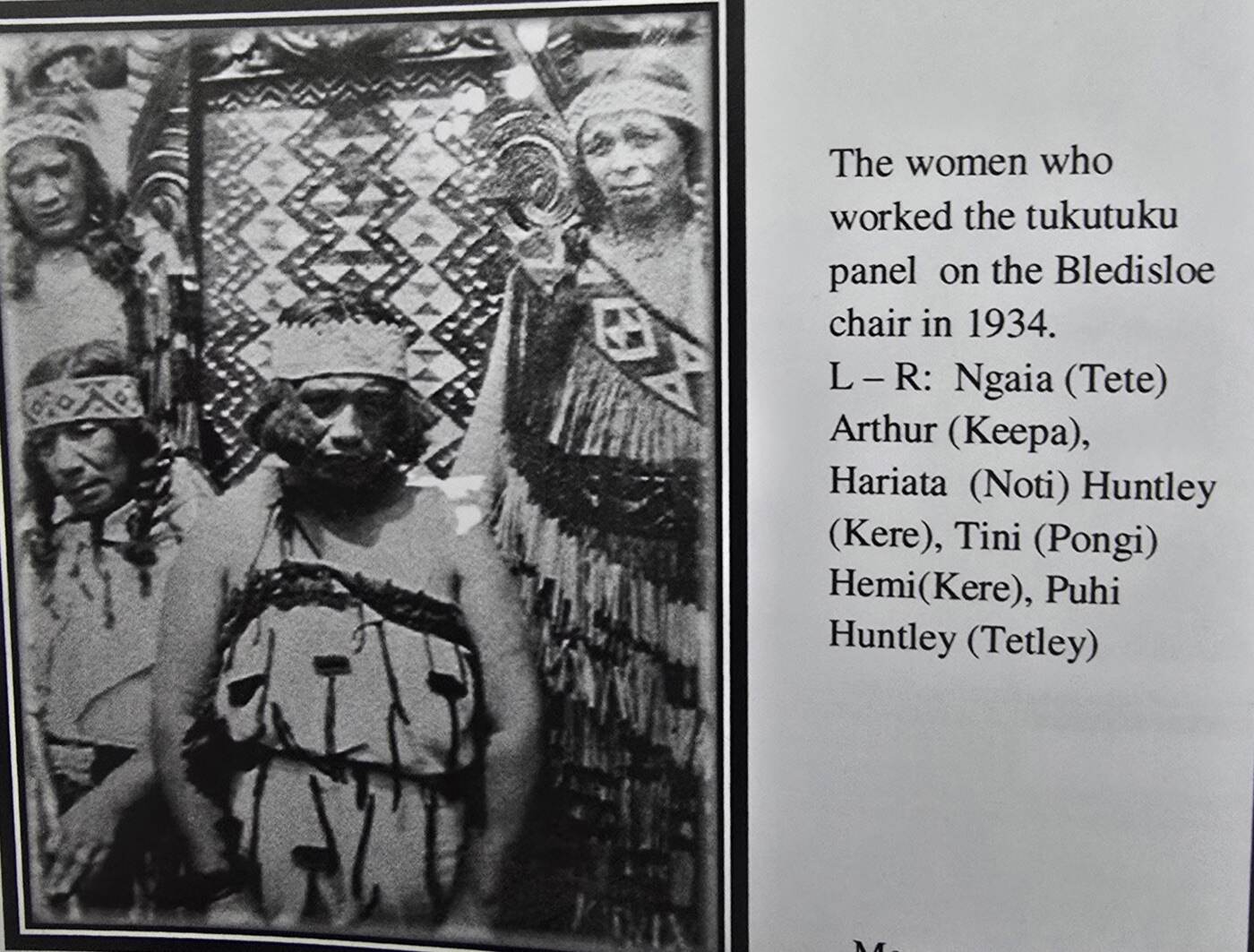 Anthony / Āhuru · Aotearoa New Zealand History, 30 August 2026The Four Women Behind the ChairEveryone at the 1934 presentation was named. The four Waikawa women who worked the panels were nearly not.Read it
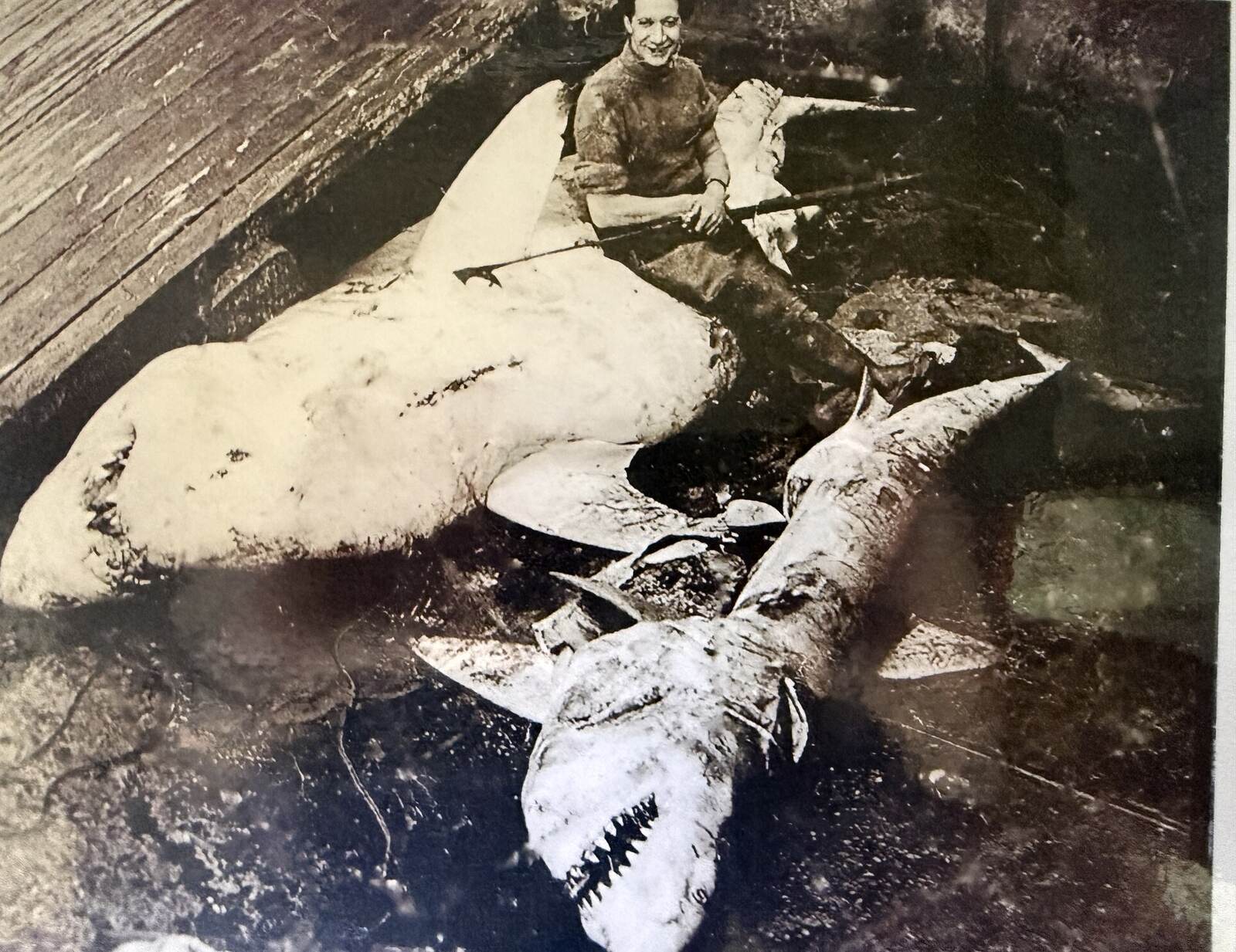 Anthony / Āhuru · Aotearoa New Zealand History, 30 August 2026The Shark Man of Fishing BayOswald Te Āhuru Huntley, known as Ossie, and the working world of Cook Strait whaling.Read it
 Anthony / Āhuru · WAITOHI STAR and Aotearoa New Zealand History, 30 August 2026The Woman Who SangTamai Rangi asks to sing a lament before they kill her. It works. And her son leaves his name on the Kaikōura coast.Read it
 Steven / Tēpane · WAITOHI STAR, 31 August 2026The Woman Who Could LookTāmairangi and Ngā Whatu, the Brothers Islands: a woman of standing, and the one person the recorded tradition says could look.Read it
 Anthony / Āhuru · WAITOHI STAR, 31 August 2026The Face That Went To LondonTe Pehi Kupe carries his whakapapa on his face into England, sits for a painter in 1826, and is dead two years later.Read it
 Anthony / Āhuru · Aotearoa New Zealand History and WAITOHI STAR, 31 August 2026The Pā That HeldWilliam Keenan, three cannon, and a pā at Ōtaka that did not fall.Read it
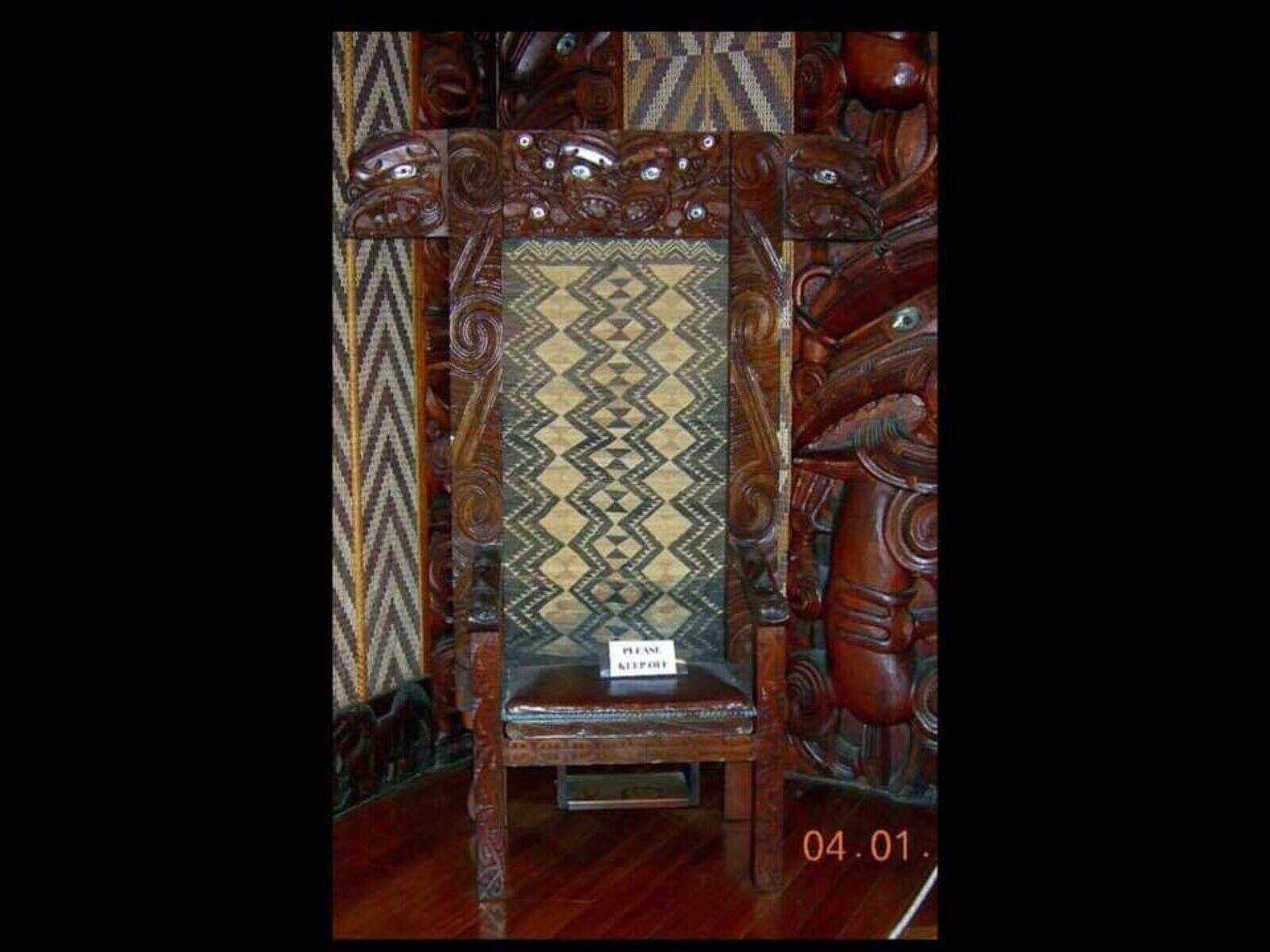 Anthony / Āhuru · WAITOHI STAR, 1 September 2026The Chair That Never Came HomeHis uncles wrote to the Queen of England to ask for their grandmother’s chair back. It is still not home.Read it
 Steven / Tēpane · Aotearoa New Zealand History and WAITOHI STAR, 2 September 2026The EyePuanaki refuses to hand his relations to Waikato, fights the man who would become the first Māori King, and loses an eye to him. 1821.Read it
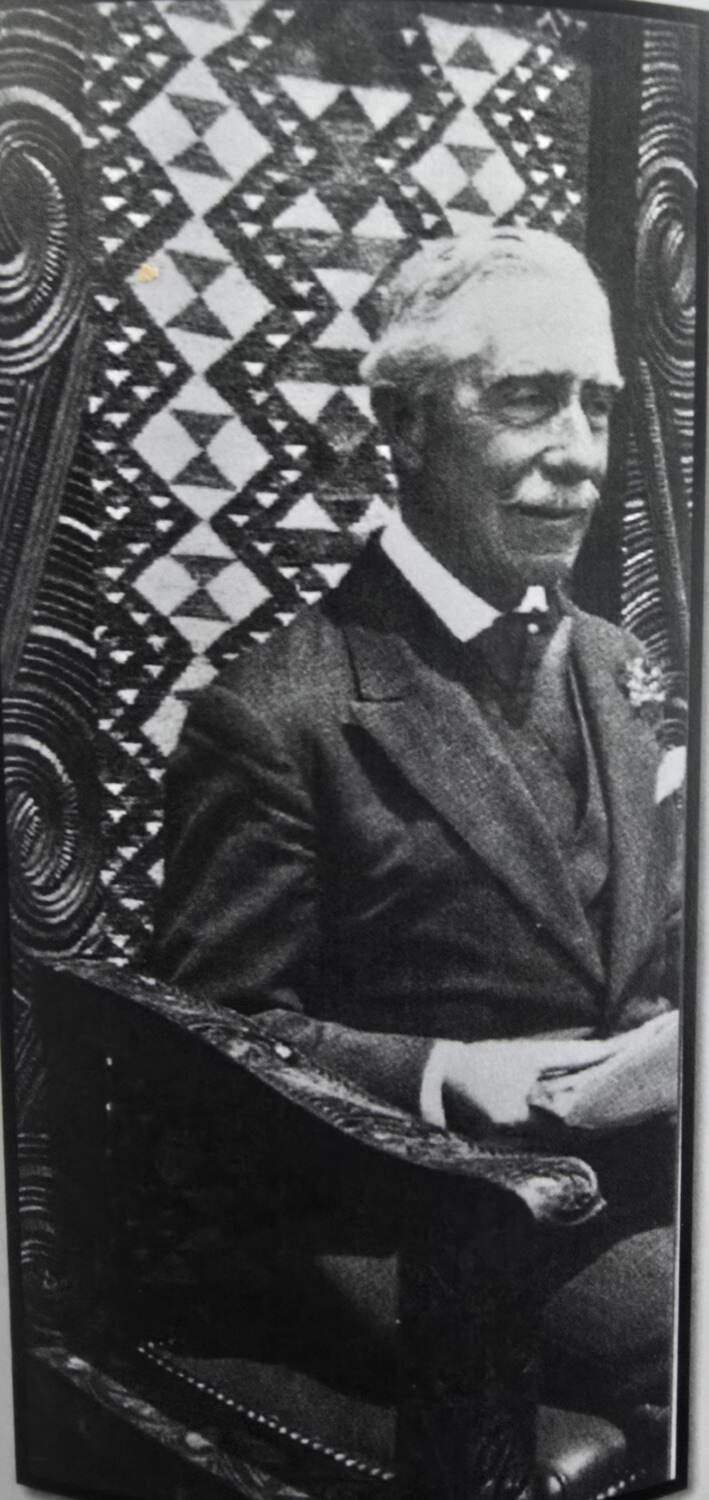 Karen settled it in her own hand, 23 August 2026 · first published hereThe ChairThe 1934 presentation, and the thing nobody had noticed: three of the four women who worked the tāniko were sisters, and the fourth was their sister-in-law. One of them is Karen’s grandmother.Read it
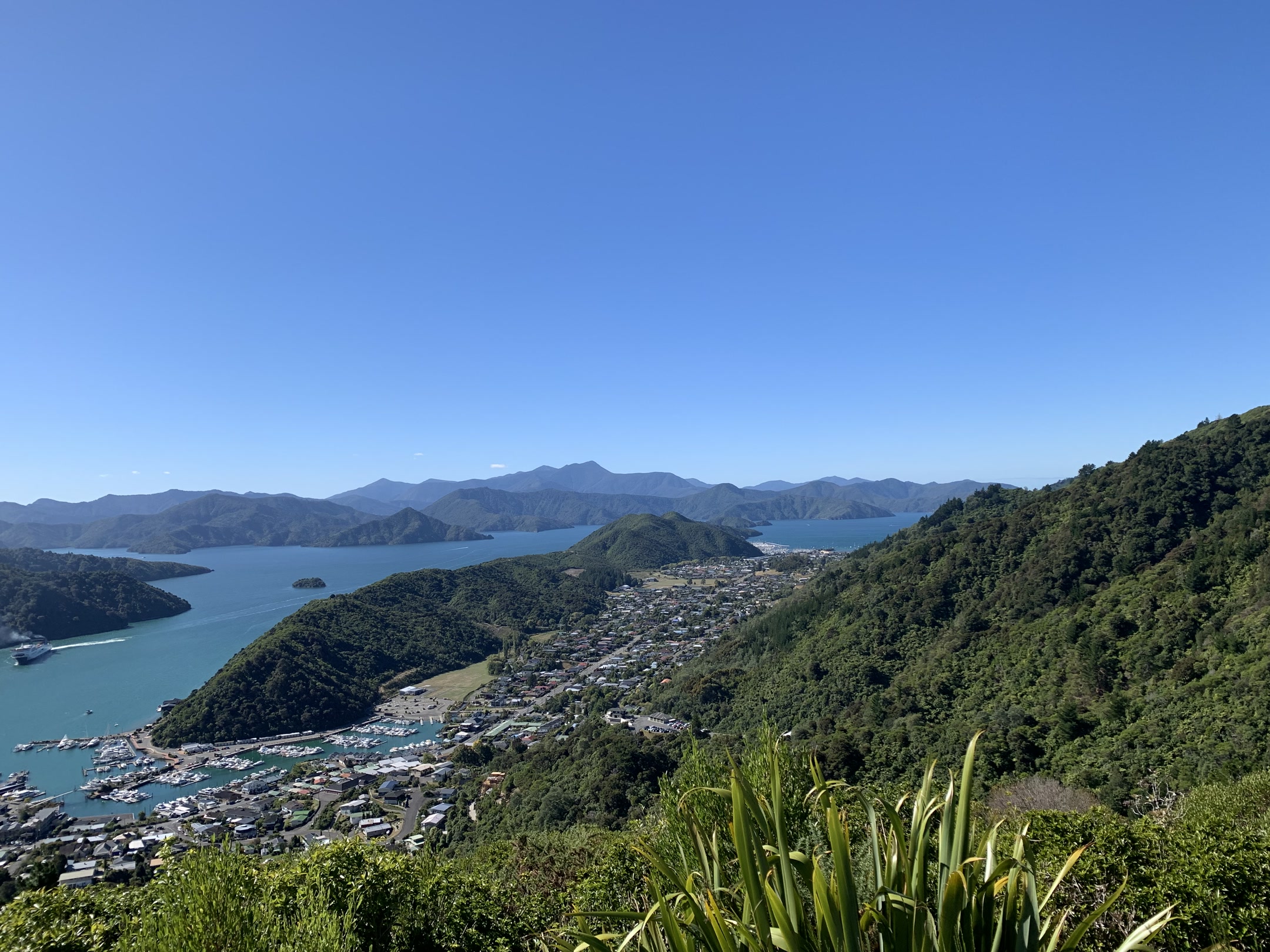 Anthony / Āhuru, introduced by Tēpane · Aotearoa New Zealand History and WAITOHI STAR, 9 September 2026The Names Carried on the BreezeEight names near the close of a page in the family manuscript, and the four words that follow them. Steve introduces the piece; the writing is Anthony’s.Read it
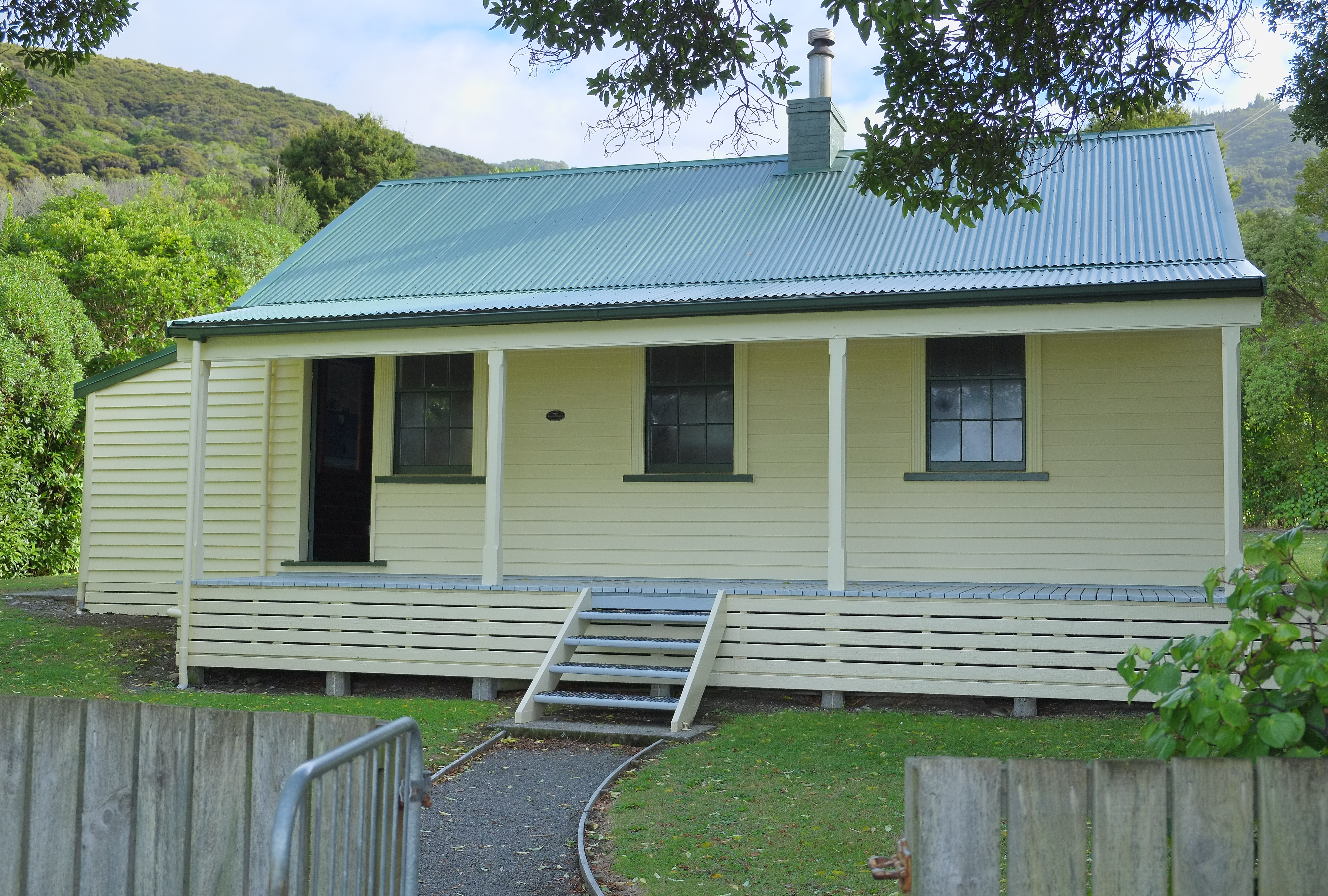 Added 11 October 2026 · Christmas at Ocean BayThe House They Didn’t Want to LeaveSix visitors, four horses and a Christmas dinner at the Aldridges’ home. From Holiday-Seeker’s account, published in January 1899.Read it
Separate to this
The brothers’ own writing
Anthony and Steven also write their own, in their own voices, about their own lives. That is a different thing to this page and it lives on its own.
Go to the writing